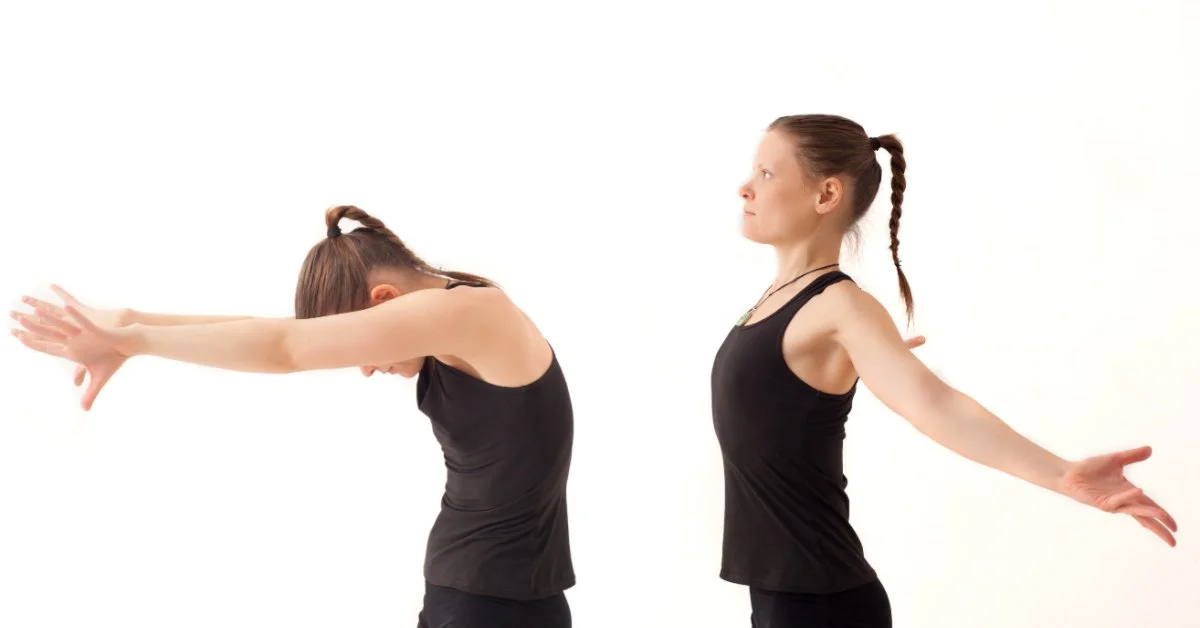
If you have been dealing with shoulder pain or a rotator cuff injury, it can be tempting to think, "I can't do yoga right now."
Maybe lifting your arm overhead does not feel possible. Maybe certain movements feel limited. Maybe you are afraid that if one part of your body is hurting, movement is simply off the table.
But with your doctor's permission, gentle yoga and mindful movement can still be supportive. The goal is not to force your shoulder to do something it is not ready for. The goal is to move with awareness, modify when needed, and stay connected to your body.
You Do Not Have to Lift Your Arm All the Way
One of the most common things I hear from students with shoulder pain is, "I can't do yoga because I can't lift my arm above my head."
But here is the important reminder: you do not have to lift your arm above your head.
You lift the arm as high as you comfortably can.
That might mean the arm only comes part of the way up. It might mean you keep the movement smaller than everyone else in class. It might mean you use a chair, practice seated, or choose a standing variation that gives you more control.
That is still yoga.
And often, moving gently within your available range is more supportive than not moving at all.
Why Consistency Matters
When we show up regularly for yoga, we are not only stretching. We are lengthening, creating space, encouraging movement, and bringing attention to areas of the body that may feel tight or guarded.
This does not mean one or two classes will fix shoulder pain. It may take time.
Gentle movement, practiced with care, can help you reconnect with your shoulder and arm without asking the body to do too much too soon. You can work with the body you have today, not the body you think you should have.
Do Not Let One Injury Stop the Whole Body
When one part of the body is injured, it is easy to let the rest of the body stop moving too.
But your shoulder pain does not mean the rest of your body has to miss out on movement, breath, strength, and flexibility.
With modifications, you may still be able to practice chair yoga, seated stretches, standing movements, or gentle variations of familiar poses. Even something like Downward Facing Dog can be approached with support and adjustment when it is appropriate for your body.
The key is to listen, adapt, and avoid forcing.
Your Mindful Monday Practice
If you are dealing with shoulder pain, begin by checking with your doctor or healthcare provider about what kind of movement is appropriate for you.
Then choose one small way to show up for yourself this week.
Maybe you lift your arm only as high as you comfortably can. Maybe you try a chair yoga class with modifications. Maybe you focus on breathing and moving the rest of your body while your shoulder heals.
You do not need to do everything. You just need to begin where you are.
Movement and breath are powerful. With patience, consistency, and permission to modify, gentle yoga can help you continue caring for your whole body, even when one part needs extra attention.