



How to Use an Anchor in Meditation

How to Use an Anchor in Meditation

This is Part 3 of Meditation Made Simple, a three part Mindful Monday series designed to help you move from “I can’t meditate” to “I can meditate.”

We have already explored two important truths: showing up for yourself means you are meditating, and having thoughts is a natural part of practice.

So what do you do when thoughts appear?

You return to an anchor.

Meditation Is Not About Emptying Your Mind

Meditation Is Not About Emptying Your Mind

This is Part 2 of Meditation Made Simple, a three part Mindful Monday series about common questions that can make meditation feel harder than it needs to be.

One of the biggest reasons people say, “I can’t meditate,” is that their thoughts do not stop.

Here is what I want you to know: meditation is not about having no thoughts.

A busy mind is not a mistake. It is part of the meditation process.

Pause Before You Judge: A Meditation Practice for Everyday Life

Pause Before You Judge: A Meditation Practice for Everyday Life

What happens in your mind when someone cuts you off in traffic?

You may immediately think, “That was bad. That person is rude. They do not care about anyone else.” The reaction can happen so quickly that the judgment feels like the truth.

But what do you actually know? The fact is that someone cut you off. You do not know why. They may be careless, or they may be rushing to the hospital after learning that their child is there.

The fact is real. The story we add is often a judgment or opinion.

Before You Speak: Three Questions That Help You Use Your Voice Wisely

Before You Speak: Three Questions That Help You Use Your Voice Wisely

Have you ever said something with good intentions, then realized the timing was wrong? Or offered an opinion when the other person may have needed your presence more than your advice?

Mindfulness is not limited to meditation or gentle yoga. It can shape the way we communicate, too. A small pause before we speak can help us become more intentional about what we say, when we say it, and whether we are the right person to say it.

This is not about staying silent. It is about using your voice wisely.

Yoga as an Experiment: Learn to Trust Your Body on the Mat

Yoga as an Experiment: Learn to Trust Your Body on the Mat

What if you came to your yoga mat without needing to know the “right” way to do everything?

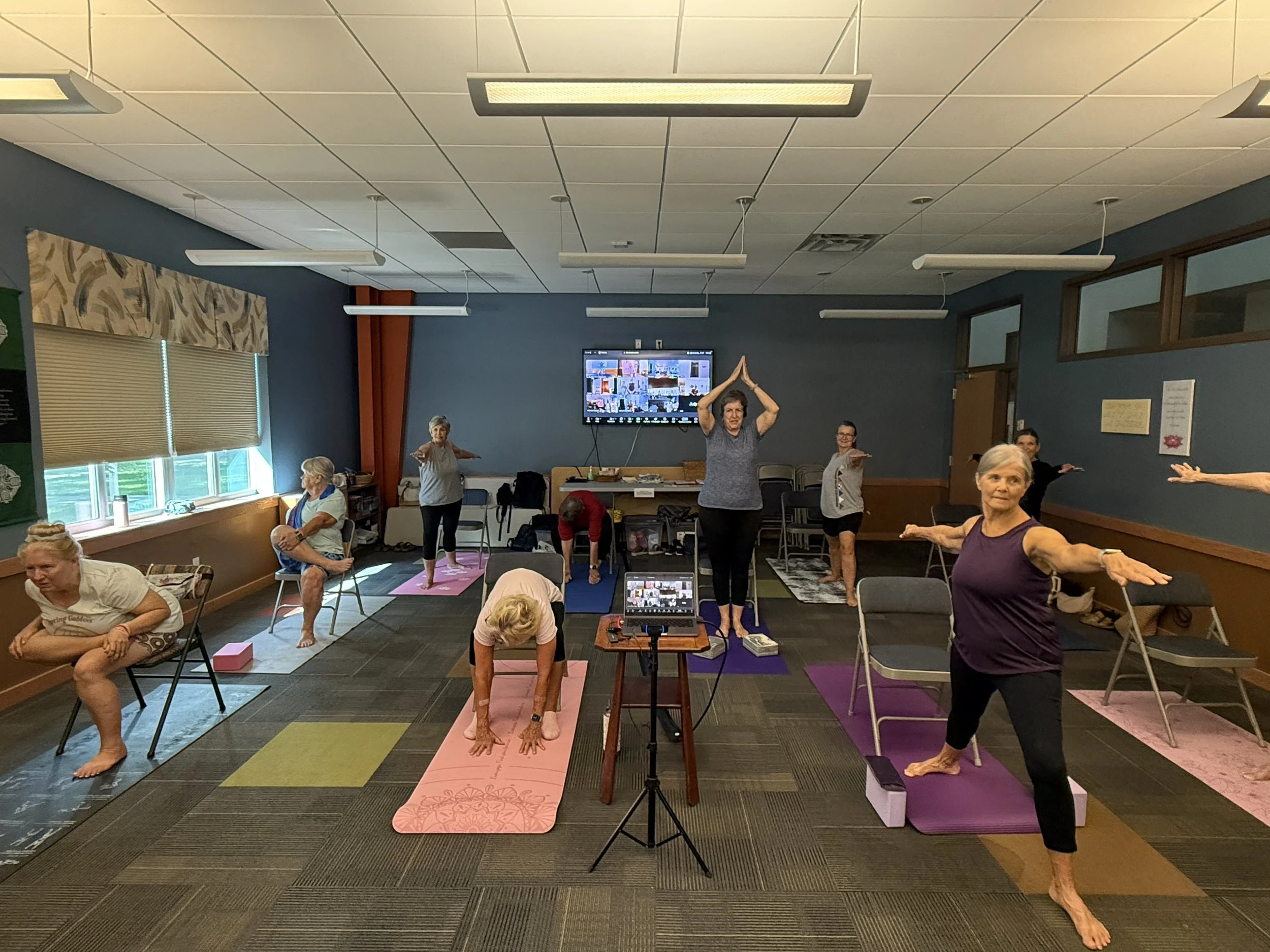
For today’s Mindful Monday, I want to invite you to approach your practice as an experiment. Think of yourself as a scientist or a researcher. Whether you are practicing chair yoga, moving on the floor, or exploring a standing posture, you are there to notice, test, and discover what works for you.

This is not about mastering yoga. It is about learning your body and learning more about yourself.

Choose Your Hard: A Mindful Reminder to Show Up for Yourself

Choose Your Hard: A Mindful Reminder to Show Up for Yourself

Is it hard to get up and go to yoga class? Of course it can be. It can be hard to set the alarm, leave the house, make your way to class, or deal with the technology that allows you to show up online. But it can also be hard to wake up feeling stiff, sore, tight, uncomfortable, or in pain. Both are hard. So sometimes we have to choose our hard.

Stop Saying "I'm Trying": A Simple Language Shift for More Confidence

Stop Saying "I'm Trying": A Simple Language Shift for More Confidence

Have you ever noticed how often the word "trying" shows up in everyday conversation?

"I'm trying to get healthy."

"I'm trying to go to yoga class."

"I'm trying to make changes in my life."

It sounds harmless. And most of the time, we say it because we are being honest. We are busy. We are human. We are balancing a lot. We want to make changes, and we may not feel like we are doing them perfectly yet.

But sometimes, that one little word can quietly take us out of the action.

Stop Apologizing for Showing Up: A Mindful Language Practice

Stop Apologizing for Showing Up: A Mindful Language Practice

Do you spend a lot of your time apologizing? It can become such a common habit that we barely notice we are doing it. We apologize when we are late. We apologize before asking a question. We apologize when we need a moment, when we do not understand something, when we cough, when we take up space, or when we simply show up as human. Of course, there are times when an apology is appropriate. A sincere apology can be meaningful and healing.

Chair Yoga When You Are Injured: A Gentle Way to Keep Caring for Yourself

Chair Yoga When You Are Injured: A Gentle Way to Keep Caring for Yourself

When you are dealing with pain, injury, surgery, or a difficult season in your body, it is easy to think, "I can't do yoga right now."

Maybe you do not feel strong. Maybe your confidence has been shaken. Maybe your body is asking for more support than it used to.

But gentle yoga and chair yoga are not only for the days when you feel strong, flexible, or ready to do more. The beauty of this practice is that it can meet you in the season you are actually living.

Today, I want to share Kelly's story.
Kelly is a longtime student of mine, and she shared how much chair yoga meant to her during a time when she was dealing with back pain, hip pain, and then a hip replacement. In her words, when she could not do anything else, chair yoga was the only thing she could do.

That is powerful.

Making Time for Self-Care Without Judging Yourself

Making Time for Self-Care Without Judging Yourself

Who was right? The student who missed class because something important had to be handled at home? Or the student who told her husband, "I need the car today," and found a way to get herself to class? It sounds like a riddle, but the answer is simple: they were both right.

This week, I want to use these two student stories as a reminder that self-care does not always look the same from one person to the next. Sometimes honoring yourself means showing up for gentle yoga class. Sometimes honoring yourself means recognizing that life truly got in the way and choosing not to beat yourself up for it.

Too Many Tabs Open? Try One Thing at a Time

Too Many Tabs Open? Try One Thing at a Time

Have you ever looked at your computer and realized you have more tabs open than you thought?

That happened to me recently while I was setting up for an online yoga class. I usually have my Zoom screen open, but for some reason I hit a button and suddenly every tab that was open on my computer showed up on the screen.

And I was mortified.

There they were: all the tabs, all the reminders, all the things I had been moving between. But it also made me laugh, because it was such a clear picture of what my mind can feel like sometimes.

Busy. Full. Jumping from one thing to the next.

Just like a computer with too many tabs open.

Shoulder Pain and Yoga: How to Keep Moving with Care

Shoulder Pain and Yoga: How to Keep Moving with Care

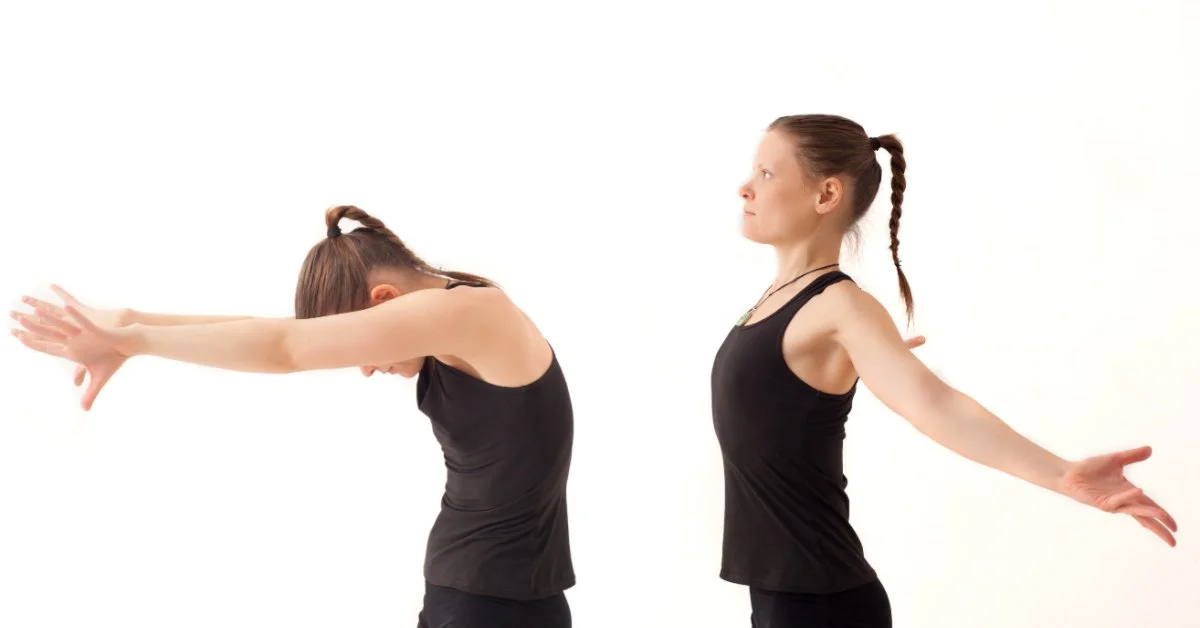
If you have been dealing with shoulder pain or a rotator cuff injury, it can be tempting to think, "I can't do yoga right now."

Maybe lifting your arm overhead does not feel possible. Maybe certain movements feel limited. Maybe you are afraid that if one part of your body is hurting, movement is simply off the table.

But with your doctor's permission, gentle yoga and mindful movement can still be supportive. The goal is not to force your shoulder to do something it is not ready for. The goal is to move with awareness, modify when needed, and stay connected to your body.

When Foot Pain Makes You Want to Stay Home

When Foot Pain Makes You Want to Stay Home

When foot pain flares up, it can be tempting to avoid movement altogether. If you have been hesitating to come to yoga because your feet are bothering you, you are not alone. This is a common concern, especially when discomfort starts affecting how steady, comfortable, and confident you feel in your body.

The good news is that gentle, mindful movement can still be supportive. With the right care, the right pace, and guidance that honors your body, movement may help you feel more comfortable instead of more limited.